

Whirlpool Water Filters and Reverse Osmosis Systems: Complete Guide to Selection, Installation, and Maintenance
Ensuring access to clean water is vital for health, convenience, and sustainability. Modern filtration systems, including Whirlpool water filters and reverse osmosis (RO) systems, provide effective solutions to remove contaminants and improve taste. This guide explores how these systems work, their benefits, types available, and practical advice for selection, installation, and maintenance. With water quality issues affecting urban and rural areas alike, understanding advanced filtration helps homeowners and businesses make informed decisions for a safe water supply.
What Are Whirlpool Water Filters and How Do They Improve Water Quality?
Whirlpool water filters remove impurities from household water using advanced multi-stage processes. Initially, a sediment pre-filter traps large particles like sand and rust. Following this, an activated carbon block absorbs chlorine, volatile organic compounds, and other chemical residues that cause bad taste and odor. Designed for refrigerators and standalone units, these filters help reduce contaminants known to affect both flavor and health, such as heavy metals and pesticides commonly found in municipal water. Certified to remove up to 99% of impurities when replaced regularly, Whirlpool filters also reduce bottled water dependence, offering an eco-friendly and cost-effective solution to achieving cleaner, healthier water.
What Types of Whirlpool Water Filters Are Available?
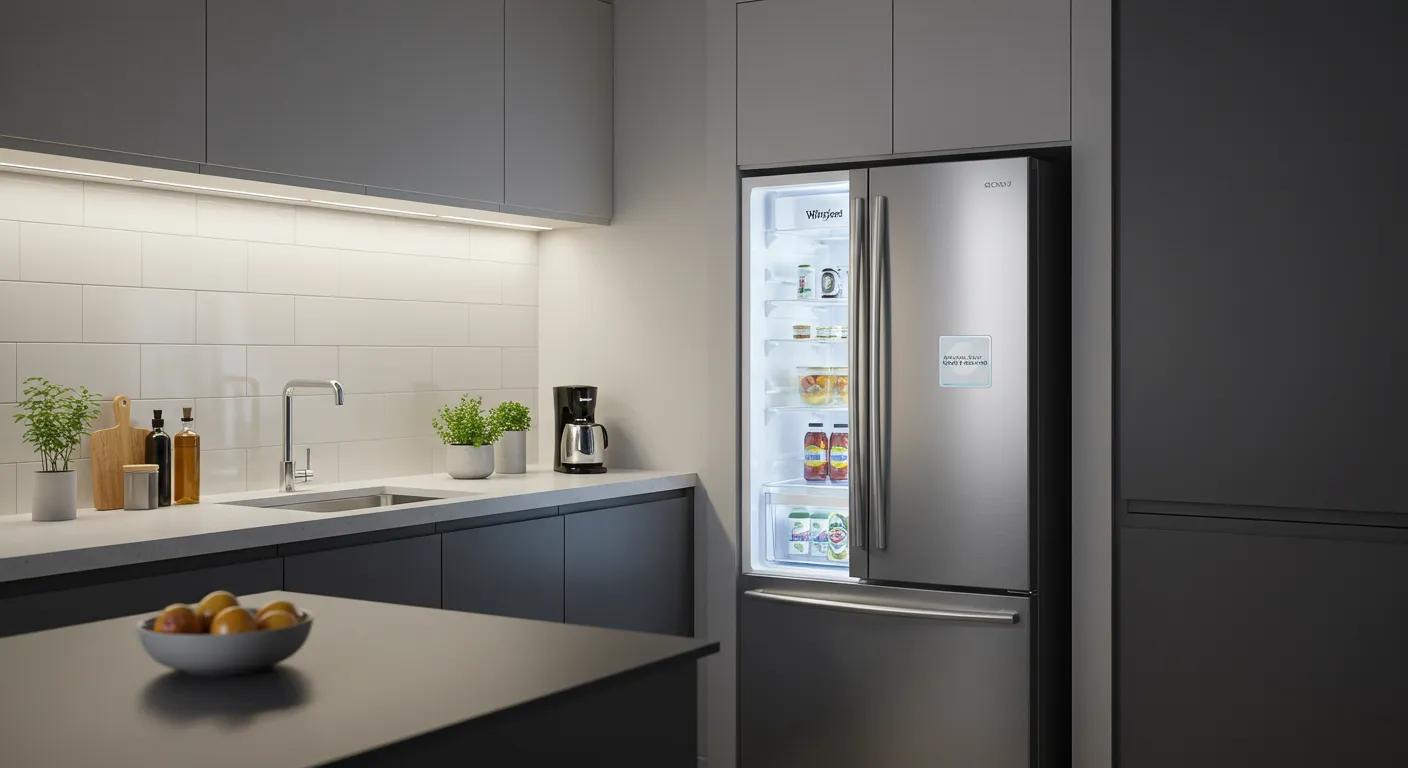
Whirlpool offers a diverse range of filters tailored to various household needs:
• Refrigerator Filters – Such as the EveryDrop series, these are made specifically for Whirlpool refrigerators; they use activated carbon to target chlorine and improve taste while fitting precisely in designated filter compartments.
• Inline Filtration Systems – Installed directly on water lines, they provide additional filtration before water reaches essential appliances.
• Whole-House Filters – These systems use multiple stages of filtration at the point of entry, removing larger sediments and granular contaminants to protect all water-using areas in a home.
Some advanced models even feature mineral reinfusion technology to add back beneficial minerals for balanced water quality. Consumers can choose the appropriate type based on local water reports and appliance compatibility.
How Do Whirlpool Water Filters Remove Contaminants?
Whirlpool filters combine three key processes to purify water:
- Sediment Filtration: A pre-filter captures large particles (e.g., sand, rust) to protect subsequent layers.
- Activated Carbon Filtration: The activated carbon media adsorbs chlorine, VOCs, and other chemicals, dramatically reducing unpleasant taste and odor.
- Ion Exchange: Some systems include ion exchange resins to remove heavy metals like lead and copper by replacing them with less harmful ions.
This multi-barrier process is validated by rigorous NSF International testing, ensuring that each drop of water is clean, crisp, and safe for consumption.
What Are the Key Benefits of Using Whirlpool Water Filters?
Using Whirlpool filters offers multiple advantages:
• Improved Taste and Odor: By significantly reducing chlorine and other compounds, these filters produce more palatable water. • Health Protection: The effective removal of contaminants such as heavy metals, pesticides, and sediment minimizes long-term health risks. • Appliance Longevity: Clean water reduces scale buildup in appliances like refrigerators, coffee makers, and water heaters, thereby lowering maintenance costs. • Cost Savings & Sustainability: Reducing bottled water purchases saves money and decreases plastic waste.
User feedback and independent studies consistently support these benefits, making Whirlpool filters a trusted solution for both residential and commercial applications.
How Does a Whirlpool Reverse Osmosis System Work?
A Whirlpool reverse osmosis (RO) system uses a pressure-driven process to deliver exceptionally pure water:
• Water first passes through a pre-filter that removes large sediments. • It then flows through a semipermeable RO membrane with very fine pores, which allows only water molecules to cross while blocking dissolved salts, heavy metals, and other impurities. • The purified water is collected in a storage tank, and any waste water containing concentrated contaminants is safely discharged. • Often, a post-activated carbon filter is added to improve the water’s taste further.
RO systems are highly efficient, achieving contaminant reduction of over 95%, and are ideal for areas with variable or poor-quality water sources.
What Are the Main Components of Whirlpool RO Systems?
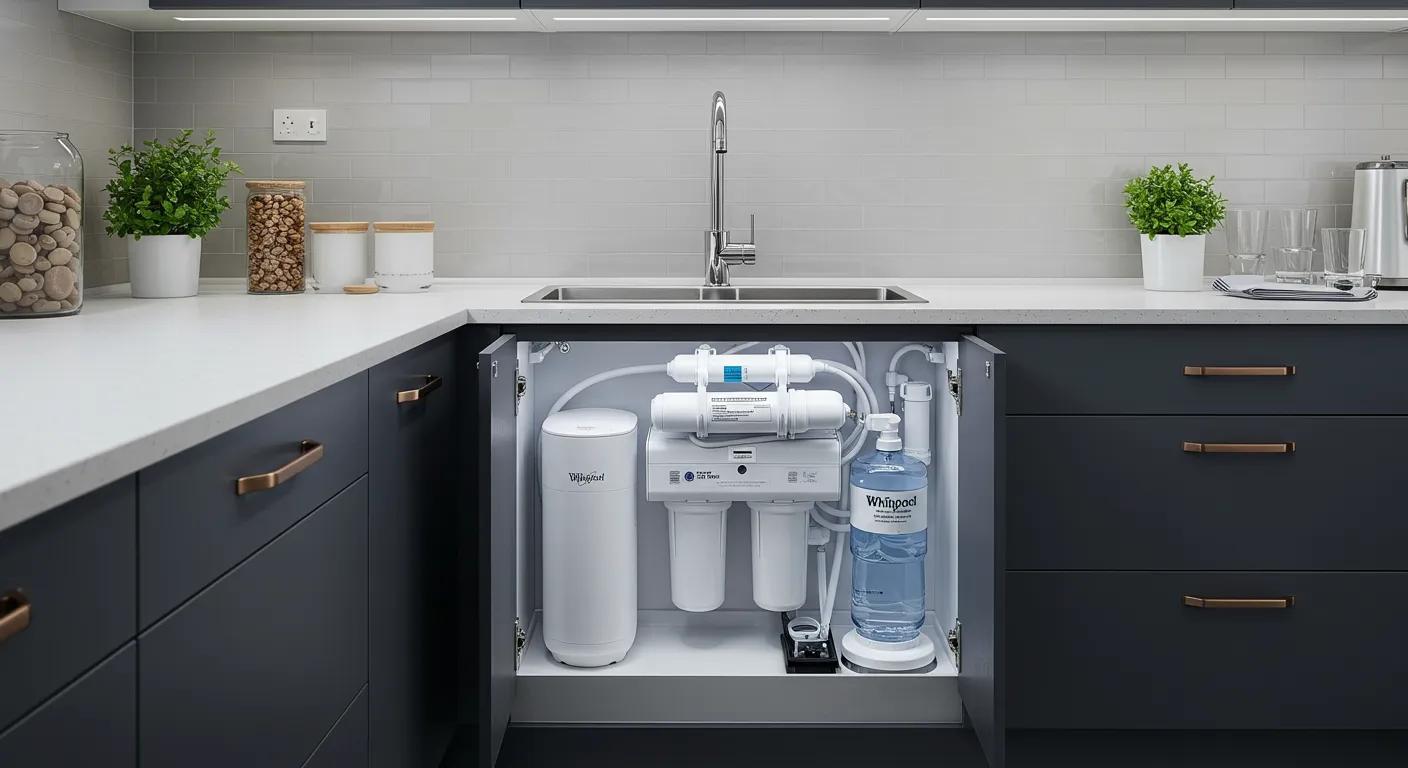
A typical Whirlpool RO system includes several essential components working together:
• Pre-Filter Stage: Combines sediment and activated carbon filters to protect the delicate RO membrane. • RO Membrane: A semipermeable barrier that selectively permits water molecules while rejecting dissolved salts, heavy metals, and toxins. • Post-Filter: Often an activated carbon layer that refines taste and removes residual chemicals. • Storage Tank: Holds the purified water for immediate use, ensuring a stable supply. • Control Components: Pressure gauges, flow restrictors, shut-off valves, and sometimes a booster pump to maintain adequate pressure in low-pressure environments.
Regular maintenance, including timely filter and membrane replacement, is crucial to maintain the system’s efficiency and longevity.
Which Contaminants Does Whirlpool Reverse Osmosis Remove?
Whirlpool RO systems effectively eliminate a broad spectrum of contaminants:
• Heavy Metals: Including lead, mercury, and arsenic. • Inorganic Salts: Such as nitrates and sulfates. • Chemicals and Pesticides: Including chlorine and various organic compounds. • Pathogens: The fine RO membrane also reduces bacteria and viruses, sometimes complemented by ultraviolet (UV) sterilization.
These systems typically achieve over 95% removal rates for most contaminants, ensuring water that is safe, tasty, and suitable for cooking.
What Are the Benefits of Whirlpool Reverse Osmosis Systems Compared to Standard Filters?
While conventional filters use methods like activated carbon alone, Whirlpool RO systems offer significant enhancements:
• Higher Purity: The pressure-driven RO process dramatically lowers total dissolved solids (TDS) and removes contaminants that standard filters might leave behind. • Superior Taste and Clarity: The multi-stage process yields water with enhanced flavor and appearance. • Extended Appliance Life: Reduced mineral buildup protects household plumbing and appliances. • Efficiency: Automated components like smart flow restrictors help optimize performance with minimal user intervention.
These benefits make RO systems the preferred choice in situations where water quality is a major concern.
Which Whirlpool Water Filter Models Are Best for Your Needs?
Choosing the right filter model depends on your specific water quality issues and appliance needs. Two popular options include:
• EveryDrop Refrigerator Filter: Engineered for refrigerators, it targets chlorine, taste, and odor problems in water and ice. It is ideal for residential use with a recommended replacement every six months. • UKF8001 Filter: Designed for broader contaminant removal, including heavy metals, this filter is well-suited for whole-house applications or advanced RO systems and typically lasts about 12 months.
Other models such as EveryDrop Filter 2 and Filter 4 offer additional performance options based on individual water quality reports and system compatibility. Consumers should review local water test results and product certification data to choose the best match.
A quick comparison:
| Model | Target Contaminants | Use Case | Filter Lifespan | Notable Feature |
|---|---|---|---|---|
| EveryDrop Refrigerator Filter 1 | Chlorine, taste, odor | Refrigerators | ~6 months | Specifically designed for Whirlpool |
| UKF8001 | Heavy metals, chlorine, VOCs | Whole-house/RO systems | ~12 months | Broad-spectrum contaminant removal |
Selecting the correct model ensures optimal performance and water quality for your home.
How Do Whirlpool EveryDrop and UKF8001 Filters Compare?
A side-by-side look reveals:
• EveryDrop Filter: Focuses on improving water taste and odor by reducing chlorine, making it perfect for everyday refrigerator use. • UKF8001 Filter: Offers broader contaminant removal, targeting heavy metals and VOCs along with chlorine, suitable for areas with higher contamination.
The EveryDrop typically reduces contaminants by 90–95%, while the UKF8001 may achieve higher removal for certain heavy metals. Your choice should depend on local water quality and system compatibility.
What Are the Best Whirlpool Filters for Specific Contaminants Like Lead or Chlorine?
For specific issues:
• Chlorine Removal: Filters like EveryDrop effectively remove chlorine and its by-products to improve taste. • Lead Removal: Some models, including select versions of the UKF8001, incorporate ion exchange resins that can reduce lead levels by over 99%.
Both are certified to strict NSF/ANSI standards. Regular replacement, as recommended by the manufacturer, is key to maintaining high performance.
How to Choose the Right Whirlpool Filter for Your Refrigerator or RO System?
When choosing a filter, consider the following steps:
- Check Compatibility: Ensure the filter model matches your Whirlpool refrigerator or RO system by consulting model numbers and installation guides.
- Review Water Quality Reports: Local water tests help determine if you need enhanced features for heavy metals or VOCs.
- Evaluate Cost and Lifespan: Compare filter longevity (typically 6 to 12 months) and replacement costs.
- Assess Support and Installation: Look for products backed by strong customer service and available professional installation options.
Taking these factors into account ensures that you select a filter that meets both your water quality and budgetary needs.
How Often Should You Replace Your Whirlpool Water Filter or RO System Filter?
Regular replacement is vital for optimal performance. Recommended schedules include:
• Refrigerator Filters: Replace approximately every six months. • RO Membranes: Typically replaced every two to three years, with pre-filters and post-filters replaced more frequently (every 6–12 and 12 months respectively).
Signs you may need a change include a noticeable drop in water flow, altered taste or odor, and visible discoloration. Keeping a maintenance log can help ensure timely replacements, preserving efficient filtration and protecting appliance performance.
What Is the Recommended Replacement Schedule for Whirlpool Filters?
For best results, follow these guidelines:
• Refrigerator Filters: Every six months. • RO Systems: Pre-filters every 6–12 months, post-filters every 12 months, and the RO membrane every two to three years.
These intervals depend on water usage and quality and may need adjustments in areas with hard or heavily contaminated water. Adhering to these schedules prevents filter saturation and maintains water quality.
How Can You Tell When Your Whirlpool Filter Needs Changing?
Indicators that it’s time to change your filter include:
• A drop in water flow or pressure. • Noticeable changes in taste or odor (e.g., return of chlorine taste). • Visible sediment buildup or discoloration in the filtered water. • Alerts from built-in indicator lights or sensor systems.
Regular testing of water quality after a filter change can confirm whether the filter is degrading. Maintaining scheduled maintenance ensures your water stays consistently clean.
What Are the Consequences of Delayed Filter Replacement?
Failing to replace filters on schedule can lead to several problems:
• Reduced Water Quality: Saturated filters allow contaminants to pass through, affecting taste and safety. • Appliance Damage: Increased sediment and scale buildup can strain plumbing and reduce appliance efficiency. • Higher Costs: Inefficient filtration leads to more frequent maintenance and potential repairs. • Health Risks: Overused filters may allow harmful substances like chlorine or heavy metals to reach your tap.
Timely filter replacement is critical to avoid these adverse effects.
How to Install and Maintain Whirlpool Water Filters and Reverse Osmosis Systems?
Proper installation and regular maintenance keep your system working efficiently:
• Installation Steps: – Turn off the water supply. – Remove the old filter and flush the new filter to clear preservatives. – Insert the new filter securely into its designated compartment. – For RO systems, connect the inlet line, mount the RO membrane, install post-filters, and connect the storage tank.
• Maintenance Tips: – Regularly inspect for leaks, wear, and changes in water flow. – Follow the manufacturer’s schedule for filter and membrane replacement. – Clean external components and sanitize the storage tank periodically to prevent microbial growth.
Following these steps ensures reliable performance and prolongs system life.
Where Can You Buy Genuine Whirlpool Water Filters and Reverse Osmosis Systems?
Purchase genuine Whirlpool filters from reputable sources such as:
• Major home improvement retailers (e.g., Home Depot, Lowe’s, Best Buy) • Whirlpool’s official website or authorized dealers • Specialized e-commerce platforms offering certified replacement parts
Always verify authenticity by checking for NSF certification, official Whirlpool branding, and accurate product codes on the packaging.
How to Verify Authenticity of Whirlpool Water Filters?
To ensure you purchase a genuine product:
• Buy only from authorized retailers. • Inspect packaging for official Whirlpool logos, serial numbers, and certification marks (e.g., NSF, UL). • Compare product details with those listed on the Whirlpool official website. • Register your product using its serial number to access manufacturer support and warranty services.
These steps help guarantee that you receive a filter that meets safety and performance benchmarks.
Are Installation Services Available When Buying Whirlpool Filters?
Yes, many authorized retailers offer professional installation services for Whirlpool filters and RO systems. These services:
• Ensure correct setup and integration with your existing appliances. • Include post-installation testing for water flow, pressure, and filtration efficiency. • Often come bundled with the product purchase for guaranteed warranty coverage.
Professional installation minimizes the risk of leaks and improper mounting, providing peace of mind for users.
What Are Common Water Contaminants and How Do Whirlpool Filters Address Them?
Household water may contain various contaminants such as:
• Chlorine & VOCs: Removed by activated carbon filters to improve taste and odor. • Sediments: Captured by pre-filters to prevent clogging. • Heavy Metals: Reduced using ion exchange resins and activated carbon. • Microorganisms: RO membranes (and sometimes UV sterilization) significantly lower bacteria and viruses.
A summary table:
| Contaminant Type | Filtration Method | Typical Reduction Rate | Benefit |
|---|---|---|---|
| Chlorine & VOCs | Activated Carbon Block | 90-95% | Better taste and odor |
| Sediments | Pre-sediment Filter | 95%+ | Fewer particulates |
| Heavy Metals | Ion Exchange & Carbon Media | Up to 99% | Lower health risks |
| Microorganisms | RO Membrane (with UV as option) | 95-99% | Enhanced microbial safety |
| Pesticides | Activated Carbon | 90-95% | Safer water for consumption |
This approach ensures water is optimized for safety and quality.
How Effective Are Whirlpool Filters Against These Contaminants?
Independent testing shows that Whirlpool filters provide reduction rates of 90-99% for key contaminants, including chlorine, heavy metals, and sediments. Certified by NSF International, these filters consistently meet national safety standards. In-home testing often reveals significant drops in Total Dissolved Solids (TDS) after installation. The multi-stage design—with sediment trapping, carbon adsorption, and RO membranes—ensures water remains clean and safe over time.
How Can You Test Your Water Quality Before Choosing a Filter?
Testing your water quality helps determine the best filtration approach. You can:
• Review annual water quality reports provided by local utilities. • Use home testing kits to measure parameters such as pH, TDS, chlorine, and heavy metals. • Compare results to EPA or WHO guidelines. • Consider professional water testing services if needed.
These steps ensure you choose a filter that targets the specific contaminants present in your water.
Frequently Asked Questions
Q: How do I know if my Whirlpool water filter needs to be replaced? A: Replace your filter when you notice diminished water flow, changes in taste or odor, or when the manufacturer’s recommended period (typically six months for refrigerator filters) has elapsed. Some models have indicator lights or sensor alerts.
Q: What contaminants are most effectively removed by Whirlpool filters? A: Whirlpool filters remove chlorine, sediments, heavy metals (like lead and copper), pesticides, and some volatile organic compounds. In RO systems, additional reductions are achieved for dissolved solids and microorganisms.
Q: Can I install a Whirlpool reverse osmosis system myself? A: Many users can follow the detailed installation guides provided; however, professional installation is available and recommended if you’re unsure, to ensure proper setup and maintain warranties.
Q: Where should I purchase genuine Whirlpool filters? A: Purchase from authorized retailers, major home improvement stores, or Whirlpool’s official website to ensure you receive certified genuine products.
Q: How often should I test my water quality once my filter is in place? A: It is advisable to test annually or after any significant change in your water source to confirm your filter’s effectiveness.
Q: Are Whirlpool filters compatible with all refrigerator brands? A: They are specifically designed for Whirlpool models. If you have a non-Whirlpool refrigerator, check compatibility or look for alternative solutions.
Q: What maintenance tips can help extend the life of my Whirlpool filter system? A: Regularly inspect for leaks, follow the cleaning and replacement schedules specified in the manual, and maintain a log for service dates to ensure continuous optimal performance.
Final Thoughts
Whirlpool water filters and reverse osmosis systems combine advanced technology with reliable performance to ensure high-quality drinking water. By removing contaminants like chlorine, heavy metals, sediment, and pathogens, these systems improve taste, protect health, extend appliance life, and contribute to sustainability. Careful selection, installation, and regular maintenance are essential to achieve optimal performance. Whether you choose a refrigerator-specific model like EveryDrop or a broader solution such as the UKF8001 for whole-house or RO systems, investing in Whirlpool’s trusted filtration technology is a proactive step toward healthier living and peace of mind regarding your water quality.